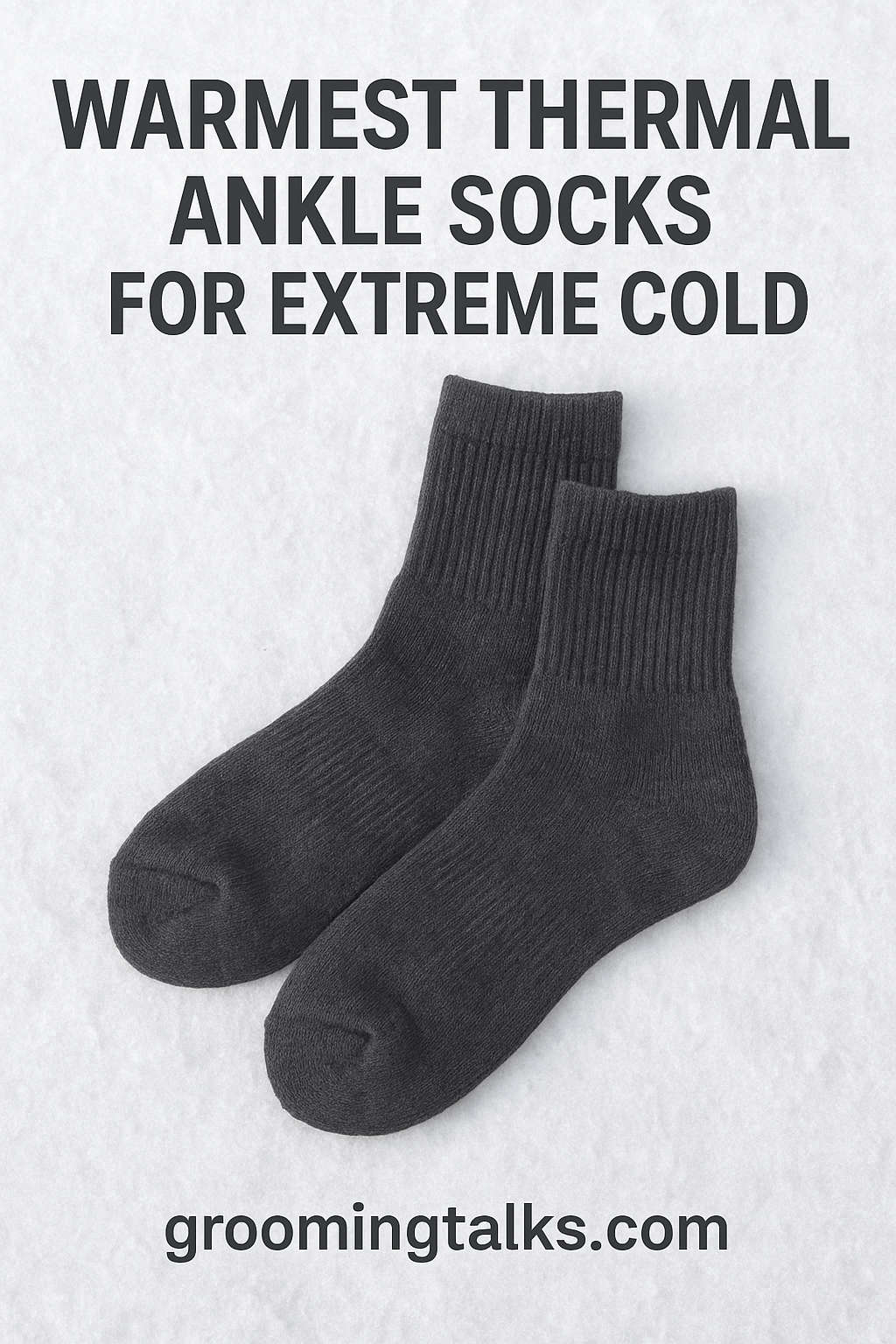
When winter grips the world with its icy hands and the temperature plummets below freezing, one part of your body feels it first — your feet. Cold feet can quickly turn a great day outdoors into an uncomfortable struggle. Whether you’re heading out for a winter run, hiking snowy trails, shoveling the driveway, or simply trying to stay warm during an icy commute, choosing the right pair of thermal ankle socks makes all the difference.
While tall thermal socks often steal the spotlight, ankle socks deserve more attention than they get. They’re lighter, easier to wear, and great for people who don’t want the bulk of a high-cut sock under tight boots or pants. But can ankle socks really keep your feet warm in extreme cold? Absolutely — if you choose the right materials, construction, and fit.
This detailed guide will walk you through everything you need to know about finding the warmest thermal ankle socks for extreme cold — from what makes a sock truly warm, to the best materials and construction styles, and even expert tips for caring for them so they last for years.
Why Thermal Ankle Socks Matter in Extreme Cold
Most people underestimate how much of your body’s warmth escapes through your feet. Feet are full of blood vessels and nerve endings, and when they’re cold, the rest of your body tends to follow. The wrong socks — especially cotton or thin athletic socks — can trap moisture, lose insulation, and leave your feet freezing, even inside insulated boots.
Thermal ankle socks are specifically designed to retain body heat and provide insulation without trapping too much moisture. They work by creating a layer of warm air close to your skin while pulling away sweat so your feet stay dry. Dry warmth equals comfort, and comfort equals performance — whether you’re hiking, skiing, or just walking the dog on a bitter morning.
While ankle-length socks don’t cover your entire calf, they can still offer incredible warmth when paired with proper footwear and layering. They’re especially ideal for:
- Winter runners who prefer lightweight gear
- People wearing insulated or low-cut winter boots
- Everyday wear in cold climates without the bulk of long socks
- Indoor warmth for cold floors and drafty houses
What Makes a Sock Warm: The Science of Insulation
Warmth isn’t just about thickness — it’s about air, moisture, and material. The warmest socks trap air, keep moisture away, and maintain circulation.
1. Air Trapping
Insulation works by trapping air in tiny pockets between fibers. The more air trapped, the warmer the sock feels. That’s why high-pile or looped terry constructions tend to feel much warmer — they hold more air.
2. Moisture Control
Your body constantly releases moisture through sweat, even in cold weather. If that moisture gets trapped next to your skin, it cools as it evaporates, which makes your feet colder. The best thermal socks wick moisture away while keeping the heat in.
3. Circulation
Socks that are too tight restrict blood flow, and cold toes are often the result of poor circulation rather than inadequate insulation. Your socks should fit snugly but not squeeze your feet.
So when choosing thermal socks, the goal is to balance insulation, moisture control, and comfort.
The Best Materials for Warm Thermal Ankle Socks
Not all fabrics are created equal when it comes to warmth. Each material has its own strengths, and choosing the right blend depends on how you plan to use your socks.
Merino Wool — The Gold Standard
Merino wool is the top choice for cold weather because it’s soft, naturally insulating, and wicks moisture like a champ. Unlike traditional wool, merino fibers are incredibly fine, making them soft against the skin. They also continue to insulate even when damp — a crucial feature in snow and slush.
Benefits of Merino Wool:
- Excellent temperature regulation
- Wicks moisture away from the skin
- Naturally odor-resistant
- Feels soft and itch-free
- Retains warmth even when wet
Look for socks with at least 40–70% merino wool blended with nylon or spandex for stretch and durability.
Acrylic and Thermal Yarns — The Budget Warmth Boost
Acrylic is a synthetic fiber that mimics the warmth of wool but is often used in thicker, high-pile constructions for maximum insulation. Brands like Heat Holders have perfected this design, creating thermal socks that can keep your feet toasty even when the temperature plunges below zero.
Benefits of Acrylic Thermal Socks:
- Excellent heat retention
- Soft, plush texture
- Affordable
- Great for low-activity warmth
However, acrylic isn’t the best for high-activity wear because it can trap sweat. These socks shine when you’re relaxing, sleeping, or doing light chores outdoors.
Polyester and Thermolite — The High-Performance Choice
Polyester-based fibers like Thermolite or Coolmax are designed to wick moisture quickly and dry fast. They’re ideal for runners, hikers, and anyone active in cold weather. While not as naturally warm as wool, they perform beautifully when paired with insulation in your shoes.
Alpaca and Cashmere — The Luxury Options
If you’re after pure comfort and don’t mind spending extra, alpaca and cashmere socks offer luxurious softness and natural warmth. Alpaca fibers are hollow, making them excellent at trapping air and resisting moisture. However, they’re better suited for indoor or light outdoor use, as they’re less durable than merino blends.
Key Design Features to Look For
Warmth isn’t just about the fabric — design and construction play a major role in how effective your socks will be. Here’s what to look for:
- Cushioned Sole: Added padding underfoot enhances comfort and insulation, especially in the heel and toe.
- Terry Loop Construction: High-pile terry loops trap more air for extra warmth.
- Elastic Arch Support: Prevents slipping and keeps the sock snug without restricting blood flow.
- Flat Toe Seams: Reduces friction and prevents irritation during long wear.
- Reinforced Heels and Toes: Improves durability in high-friction areas.
- Moisture-Wicking Panels: Keeps sweat away from your skin to maintain warmth.
- Breathable Mesh Zones: Enhances ventilation when you’re active.
The Best Warm Thermal Ankle Socks for Extreme Cold
After testing, reviews, and expert recommendations, these are some of the best thermal ankle socks that combine warmth, comfort, and practicality.
1. Heat Holders Thermal Ankle Socks
If you’re after the warmest possible ankle socks for extreme cold, Heat Holders are legendary. They’re made from advanced thermal acrylic yarn and feature an ultra-high pile interior that traps warm air exceptionally well. Designed primarily for lounging or casual use, they feel like tiny blankets for your feet.
Best For: Extreme cold indoors, light outdoor use, camping, or people with poor circulation
Why They’re Great: They’re incredibly soft, thick, and cozy, offering unmatched insulation for the price.
Keep in Mind: They’re bulky, so not ideal for tight boots or sweaty workouts.
2. Smartwool Hike Light Cushion Ankle Socks
Smartwool is a household name when it comes to performance socks. Their Hike Light Cushion ankle socks blend merino wool with durable synthetics to create a breathable, cushioned fit that performs beautifully during active use in cold temperatures.
Best For: Hiking, running, or active winter wear
Why They’re Great: Excellent temperature regulation, soft next-to-skin feel, and reliable moisture control.
Keep in Mind: They’re more of a performance sock than an extreme cold indoor sock.
3. Darn Tough Merino Wool Ankle Socks
Darn Tough socks are known for their unbeatable durability and lifetime warranty. Made in Vermont, these socks are tightly knit with high-quality merino wool that provides consistent warmth and a snug, comfortable fit. Their ankle styles are ideal for those who want less bulk without sacrificing insulation.
Best For: Long-term use, winter travel, and hiking in extreme cold
Why They’re Great: Unmatched durability, great fit, and odor resistance.
Keep in Mind: They’re an investment, but worth every penny.
4. Carhartt Arctic Wool Blend Boot Socks (Low-Cut Versions)
For those who love rugged reliability, Carhartt offers heavy-duty socks made from wool and nylon blends that withstand serious cold. The ankle or low-cut versions are thick, warm, and designed for hard work in frigid environments.
Best For: Outdoor labor, construction work, or long hours in cold boots
Why They’re Great: Durable, warm, and tough as nails.
Keep in Mind: Can feel bulky in tight shoes.
5. Heated Ankle Socks
When warmth is non-negotiable, heated socks take insulation to the next level. Powered by rechargeable batteries, they provide adjustable warmth through thin heating elements woven into the fabric. Perfect for people with Raynaud’s, poor circulation, or those spending hours in freezing temperatures.
Best For: Stationary outdoor work, hunting, or people with circulation issues
Why They’re Great: Direct, controllable warmth even in extreme cold.
Keep in Mind: Requires battery maintenance and hand-washing.
How to Choose the Right Pair for Your Needs
Choosing the right thermal socks depends largely on how you plan to use them. Here’s a breakdown by scenario:
For Outdoor Work or Long Exposure
If you spend hours outdoors or work in freezing environments, go for heavy acrylic thermals or merino-blend midweights with thick cushioning. The extra insulation will keep your feet protected even when you’re not moving much.
For Active Winter Sports
Runners, hikers, and winter sports enthusiasts should pick merino-blend ankle socks with moisture-wicking properties and moderate cushioning. Breathability is just as important as warmth here.
For Indoor Warmth or Casual Use
If you’re staying home or relaxing by the fire, high-pile acrylic socks like Heat Holders are unbeatable for cozy comfort.
For Travel or Everyday Wear
Merino wool ankle socks provide the perfect balance of warmth, odor resistance, and comfort for all-day use. They’re ideal for commutes, office wear, or travel days when you can’t change socks often.
For People With Cold Feet or Circulation Issues
Battery-heated socks or high-insulation thermal socks help prevent numbness and pain caused by poor blood flow. Make sure they fit comfortably without compressing your feet.
Proper Fit Matters More Than You Think
Even the best thermal socks won’t perform if they don’t fit correctly.
Here’s what to remember:
- Avoid overly tight socks. They cut off circulation, which reduces warmth.
- Don’t size up too much. Loose socks create friction, which leads to blisters and cold spots.
- Match the sock to your boot. Thick socks need roomy boots; tight boots require thinner, high-performance materials.
- Check seam placement. Flat seams prevent irritation during long wear.
If your boots already fit snugly, opt for merino blends instead of high-pile thermals to prevent pressure and maintain circulation.
Layering for Maximum Warmth
For people spending long hours outdoors, layering socks can add warmth and protection. Use a thin liner sock made of synthetic or silk material under a thicker thermal ankle sock. The liner wicks moisture away from your skin, while the outer sock traps heat.
Tips for layering:
- Ensure the inner sock fits smoothly — no bunching.
- Don’t layer if it makes your boots tight. Restricted blood flow cancels the benefits.
- Bring an extra pair to swap if your socks get damp.
Caring for Your Thermal Socks
Proper care extends the life and warmth of your socks.
Follow these simple steps:
- Wash in cool or warm water. Hot water can damage fibers and elastic.
- Use gentle detergent. Avoid bleach and fabric softeners, which break down natural fibers.
- Air dry whenever possible. High heat can shrink wool and melt synthetic fibers.
- Turn socks inside out before washing. This helps remove body oils and dirt from the inner layer.
- Rotate your socks. Don’t wear the same pair every day — let them rest between uses.
Well-cared-for thermal socks can last for years, especially premium ones like Darn Tough or Smartwool.
Common Mistakes That Make Feet Colder
- Wearing cotton socks: Cotton holds moisture and loses all insulation when wet.
- Over-layering: Too many layers or thick socks can reduce blood flow.
- Ignoring dampness: Once socks get sweaty or wet, warmth drops drastically.
- Buying cheap multipacks: Low-quality fibers break down fast and lose insulation quickly.
- Neglecting boot insulation: Even the best socks can’t overcome poor footwear insulation.
Simple Hacks to Keep Feet Warm in Extreme Cold
- Warm up socks before wearing. Place them near a heater or under your jacket for a few minutes.
- Use moisture-wicking liners. They prevent sweat from cooling your feet.
- Switch to dry socks midday. Carry an extra pair during long hikes.
- Use quality insoles. Thermal or wool-felt insoles boost warmth instantly.
- Stay hydrated. Dehydration reduces circulation, making feet feel colder.
Buying Checklist for Warm Thermal Ankle Socks
When shopping for the warmest ankle socks, use this checklist as a quick guide:
- ✔️ Material: Merino wool or thermal acrylic
- ✔️ Cushion level: Medium to heavy
- ✔️ Fit: Snug but not tight
- ✔️ Construction: Terry loop or brushed interior
- ✔️ Activity: Passive (lounging) or active (hiking, running)?
- ✔️ Boot compatibility: Enough room to maintain circulation
- ✔️ Durability: Reinforced heel and toe
- ✔️ Maintenance: Machine washable or hand wash only?
Top Picks Recap
| Category | Best Sock | Material | Ideal For | Key Benefit |
|---|---|---|---|---|
| Warmest Overall | Heat Holders Thermal Ankle | Acrylic | Indoor warmth & casual use | Maximum insulation |
| Best for Activity | Smartwool Hike Light Cushion | Merino blend | Hiking & sports | Breathable warmth |
| Most Durable | Darn Tough Merino Ankle | Merino blend | Long-term wear | Lifetime durability |
| Rugged Work Use | Carhartt Wool Blend | Wool & nylon | Outdoor labor | Heavy-duty warmth |
| Ultimate Heat | Battery-Heated Socks | Synthetic + heating element | Extreme cold & medical use | Adjustable warmth |
Final Thoughts: Finding the Perfect Warm Thermal Ankle Sock
The warmest thermal ankle socks for extreme cold are the ones that fit your lifestyle, your footwear, and your activity level. If you want plush, cozy warmth while relaxing indoors or tackling light outdoor chores, go for thick acrylic thermals like Heat Holders. For active use in freezing temperatures, merino wool blends from Smartwool or Darn Tough strike the perfect balance between insulation, breathability, and comfort.
Remember, warmth isn’t only about thickness — it’s about dryness, air trapping, and circulation. Keep your socks dry, your boots roomy, and your materials breathable. That’s the secret to warm, happy feet no matter how cold the weather gets.
Whether you’re heading into the backcountry, running in the frost, or simply curling up at home on a snowy day, investing in the right thermal ankle socks is a small change that delivers massive comfort. Cold feet will never be part of your winter vocabulary again.