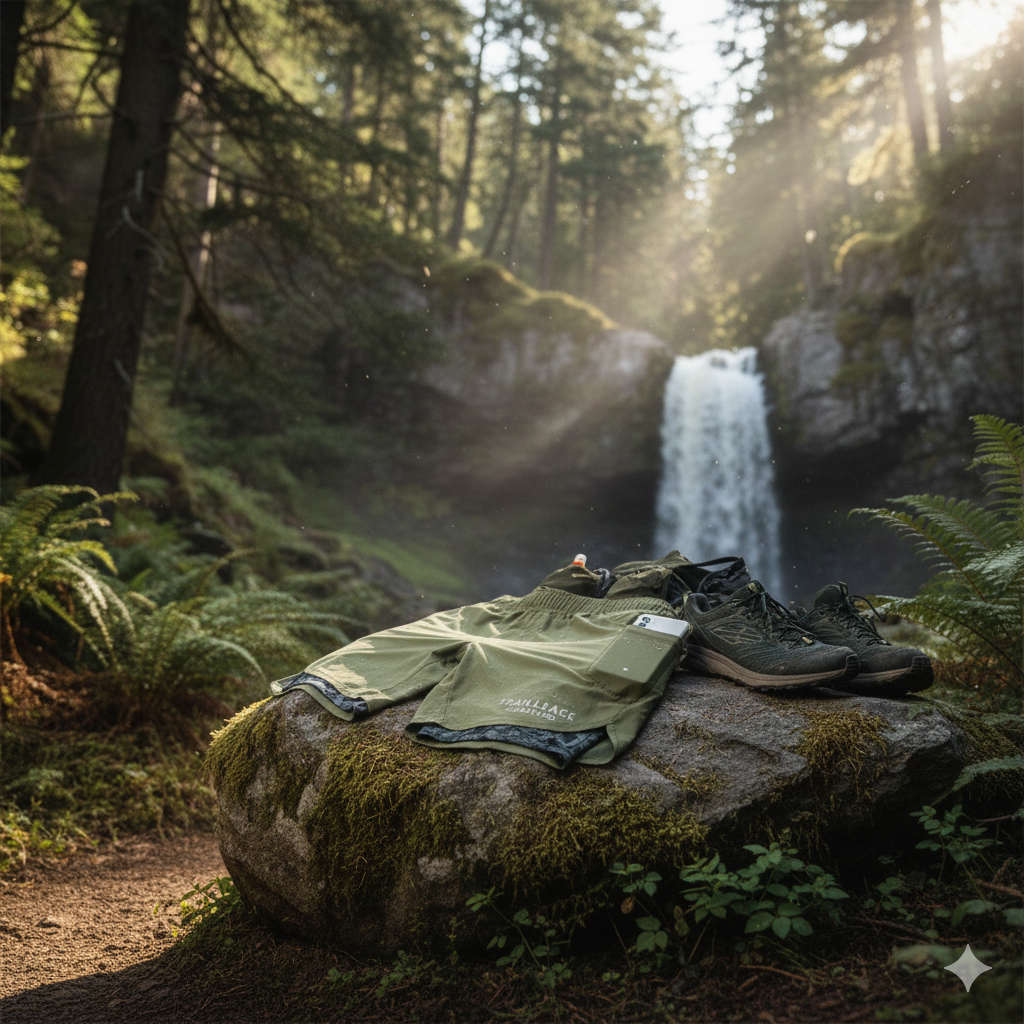
Standing at a muddy trailhead after crossing your third stream of the morning, you realize something important: your gear choices matter. While heavy, waterlogged shorts cling uncomfortably to your legs, your running buddy breezes past in quick-dry shorts that seem completely unaffected by the creek crossing. That moment of clarity hits hard—investing in proper trail running shorts isn’t just about comfort, it’s about enjoying every mile of your adventure.
Trail running pushes your gear to its limits in ways road running never does. Between sudden rain showers, creek crossings, and sweat-soaked climbs, your shorts face a constant barrage of moisture. This comprehensive guide explores everything you need to know about choosing quick-dry running shorts that will keep you comfortable from the first stride to the final descent.
Understanding Quick-Dry Technology for Trail Running
Quick-dry fabrics revolutionized outdoor athletics by solving one of running’s oldest problems: staying comfortable when wet. Traditional materials like cotton absorb water like a sponge, holding moisture against your skin for hours. This creates several problems beyond simple discomfort.
Wet fabric increases friction against skin, leading to painful chafing that can end your run prematurely. The extra weight of water-saturated shorts affects your stride and drains energy during long climbs. Perhaps most importantly, wet clothing pulls heat away from your body, creating dangerous situations during mountain runs where temperatures drop unexpectedly.
Modern quick-dry fabrics work through two mechanisms. First, they’re hydrophobic, meaning they naturally repel water rather than absorbing it. Water beads on the surface and rolls off instead of soaking into fibers. Second, these materials feature enhanced surface area through specialized weaves that promote rapid evaporation. Even when moisture does contact the fabric, it spreads across a larger area and evaporates within minutes.
The practical difference is remarkable. Cotton shorts might stay damp for hours after a creek crossing. Quality quick-dry shorts return to their original weight and feel within 10-15 minutes, sometimes faster in warm conditions. This rapid recovery keeps you comfortable regardless of what the trail throws at you.
Essential Features Every Trail Runner Needs
Lightweight Construction
Weight matters more than most runners initially realize. Every ounce you carry gets lifted thousands of times during a run. Premium trail running shorts typically weigh between 2.5 and 4 ounces—light enough that you’ll genuinely forget you’re wearing them.
Manufacturers achieve featherweight construction through carefully selected materials and minimalist design. They eliminate unnecessary fabric, streamline pocket construction, and use ultra-thin elastics. The result feels almost like running in nothing at all, allowing natural, unrestricted movement.
Strategic Pocket Placement
Trail running often takes you far from civilization, sometimes for hours. Unlike road running where you might loop back to your car frequently, trails demand self-sufficiency. Smart pocket design transforms your shorts into a mobile support system.
Look for multiple storage options including zippered security pockets for keys and cards. Elastic loops or small pockets positioned around the waistband provide easy access to energy gels and chews. Some designs incorporate rear zippered pockets large enough for smartphones, though many trail runners prefer leaving phones behind for safety reasons.
Pocket placement affects comfort significantly. Front pockets should sit high enough that contents don’t bounce against your legs. Rear pockets need secure zippers to prevent items from falling out during steep descents or technical scrambles.
Built-In Liner Support
A well-designed liner brief separates good running shorts from exceptional ones. Quality liners provide support without excessive compression, reducing bounce and preventing chafing. The best liners use seamless construction or place seams strategically away from high-friction zones.
Mesh panels in liners enhance breathability, crucial during hot summer trail runs. Some runners prefer compression-style liners that offer more support, while others favor looser designs. Consider trying different styles to discover what works best for your body and running style.
Durability Features
Trail running is tough on gear. Thorny bushes grab at fabric, rocks scrape against your legs during scrambles, and branches seem to target your shorts specifically. Durability features protect your investment and ensure your shorts survive season after season.
Ripstop fabrics incorporate reinforced threads in a crosshatch pattern that prevents small tears from spreading. Reinforced stitching in high-stress areas like pocket openings and inseams adds longevity. Some manufacturers use double-layer construction in areas most prone to abrasion.
Adjustable Waistband Systems
The waistband makes or breaks comfort during long runs. Elastic waistbands with internal drawcords offer maximum adjustability, letting you dial in the perfect fit. The drawcord should be easy to adjust even with sweaty hands and shouldn’t require frequent readjustment.
Wide elastic waistbands distribute pressure evenly, preventing the digging sensation that narrower bands create. Some designs incorporate silicone grippers on the interior to prevent sliding without requiring excessive tightness.
Top 8 Quick-Dry Running Shorts for Trail Adventures
1. Patagonia Strider Pro Shorts (7-inch)
Patagonia built these shorts specifically for serious trail runners who demand performance and sustainability. The four-way stretch polyester fabric moves naturally with your body through every stride and scramble. You’ll notice the difference immediately on technical terrain where flexibility prevents restriction.
The moisture-wicking capability excels in humid conditions, pulling sweat away from skin before it becomes uncomfortable. A DWR finish causes water to bead and roll off during creek crossings or light rain. The fabric dries completely within 15 minutes even after full submersion.
Storage includes a secure zippered rear pocket and multiple waistband pockets for gels and nutrition. The built-in liner uses seamless construction that prevents chafing during ultra-distance efforts. At approximately 3.8 ounces, these shorts strike an ideal balance between features and weight.
Patagonia’s commitment to environmental responsibility means these shorts incorporate recycled materials without compromising performance. The construction quality is outstanding, with reinforced seams that handle seasons of hard use.
Best for: Runners who want premium quality with environmental consciousness, excellent for humid climates and multi-hour adventures.
2. Salomon Sense Aero 5-inch Shorts
Minimalism reaches its peak with these incredibly lightweight shorts. Weighing just over 2 ounces, they essentially disappear during runs. The AdvancedSkin ActiveDry fabric delivers exceptional moisture management while maintaining surprising durability for such light material.
Side slits enhance mobility during steep climbs where hip flexion reaches its maximum. The inner brief provides adequate support without adding bulk. A single small zippered pocket handles essentials like a key or credit card.
These shorts excel in hot weather where every ounce matters and breathability is paramount. The streamlined design means minimal storage, so plan accordingly for longer adventures. The fit runs slightly small, so consider sizing up if you prefer a looser feel.
Best for: Minimalist runners, hot weather conditions, and those who prioritize weight savings above extensive pocket storage.
3. Arc’teryx Incendo Shorts
Arc’teryx applies its legendary attention to detail to these premium running shorts. The Aeroperm double-weave fabric breathes exceptionally well while offering more weather resistance than single-layer materials. This makes them surprisingly versatile across varying conditions.
The construction quality is immediately apparent. Every seam lies perfectly flat, pocket placement is thoughtfully positioned, and the waistband provides all-day comfort without adjustment. A single rear zippered pocket is large enough for most smartphones.
The athletic cut provides a modern fit that looks good both on trails and around town. The fabric has a slight stretch that maintains shape even after dozens of washes. These shorts cost more than most competitors, but the quality justifies the investment for serious runners.
Best for: Runners who appreciate meticulous construction quality and don’t mind paying premium prices for exceptional performance.
4. The North Face Flight Series Better Than Naked Shorts
The name seems like marketing hyperbole until you actually wear them. These shorts achieve remarkable lightweight comfort through carefully engineered FlashDry fabric that actively accelerates moisture evaporation. The material literally feels dry even when you’re sweating heavily.
A secure rear zippered pocket and multiple small waistband pockets provide adequate storage for most trail runs. The built-in brief offers comfortable support without bunching or chafing. Reflective details enhance visibility during early morning or evening runs.
The athletic fit suits runners with lean builds particularly well. The shorts stay in place without excessive tightness, and the leg openings don’t flap annoyingly during fast descents. Durability is good, though the ultra-lightweight fabric requires some care around sharp branches.
Best for: Hot and humid conditions, runners who prioritize moisture management, and those seeking a barely-there feel.
5. Outdoor Voices RecTrek 7-inch Shorts
These shorts bridge the gap between technical trail performance and everyday wearability. The stretch-woven fabric handles moisture effectively while looking presentable enough for post-run errands. The slightly longer 7-inch inseam appeals to runners who prefer more coverage.
Storage is generous with zippered side pockets and a rear pocket. The interior brief is removable, allowing runners to customize their setup. The fabric has substantial hand feel compared to ultra-minimalist options, providing confidence on overgrown trails where thorns are concerns.
The relaxed fit works well for runners with athletic builds or those who prefer looser shorts. Colors stay vibrant through many wash cycles, and the construction holds up to frequent use. The value proposition is strong considering the quality and versatility.
Best for: Runners wanting versatile shorts for both trails and casual wear, those preferring longer inseams and relaxed fits.
6. REI Co-op Swiftland 5-inch Shorts
REI’s house brand consistently delivers exceptional value, and these shorts exemplify that commitment. The quick-dry polyester fabric performs admirably in all conditions, drying nearly as fast as premium options at a fraction of the cost. The four-way stretch provides unrestricted movement on technical terrain.
Multiple pockets including a zippered rear pocket and waistband storage handle nutrition and essentials. The built-in liner offers comfortable support, though it’s not quite as refined as premium alternatives. Reflective elements add safety during low-light conditions.
These shorts prove that excellent performance doesn’t require premium pricing. The construction quality is solid with reinforced stitching in stress areas. They’re available in both 5-inch and 7-inch inseams to accommodate different preferences.
Best for: Value-conscious runners seeking reliable performance, those new to trail running testing equipment preferences.
7. Janji AFO Middle Distance 7-inch Shorts
Janji combines performance with social responsibility—every purchase supports clean water projects globally. Beyond the feel-good factor, these shorts deliver impressive technical performance. The recycled polyester fabric wicks moisture effectively and dries remarkably fast.
The slightly longer 7-inch inseam provides more coverage without restricting movement. A zippered rear pocket sized for larger smartphones plus multiple waistband pockets create ample storage. The liner brief uses mesh panels for enhanced breathability in hot conditions.
The fit is true to size with a comfortable waistband that doesn’t require constant adjustment. Flatlock seams prevent irritation during long runs. The fabric has a soft hand feel that’s comfortable against skin while maintaining durability for trail abuse.
Best for: Socially conscious runners, those preferring 7-inch inseams, and runners in hot climates needing maximum breathability.
8. NORTHYARD Men’s Athletic Running Shorts
NORTHYARD delivers impressive performance at an accessible price point, making quality trail running gear available to more runners. These shorts feature quick-dry polyester fabric that effectively manages moisture during intense workouts and trail adventures. The material rebounds quickly after creek crossings or sudden rain showers.
The design incorporates practical features including zippered pockets for securing valuables and elastic waistband storage for nutrition. The built-in liner provides comfortable support using breathable mesh construction. Multiple color options let you match your personal style preferences.
Durability exceeds expectations for the price category. Reinforced stitching handles regular use, and the fabric resists snagging better than you might anticipate. The shorts maintain their shape and color vibrancy through numerous wash cycles.
The fit accommodates various body types with a true-to-size cut that neither restricts nor hangs loosely. The waistband features an adjustable drawcord for customized comfort. These shorts prove that runners don’t need to spend premium prices to access reliable quick-dry performance on the trails.
Best for: Budget-conscious runners seeking solid performance, those new to trail running building their gear collection, and runners wanting backup pairs for rotation.
Choosing the Right Inseam Length
Inseam length significantly impacts comfort and performance, yet it’s largely a personal preference shaped by body type and running style. Understanding the characteristics of different lengths helps you make an informed decision.
3-5 Inch Inseams (Short)
Ultra-short inseams maximize leg freedom and minimize fabric. They’re popular among competitive trail runners and those running in hot climates where every bit of ventilation matters. The shorter length reduces weight and virtually eliminates fabric bunching.
These work best for runners comfortable showing more leg. They provide unrestricted hip flexion during steep climbs and don’t trap heat against your thighs. However, they offer minimal sun protection and may not suit everyone’s comfort level.
5-7 Inch Inseams (Medium)
This range represents the sweet spot for most trail runners. Five to seven-inch inseams balance freedom of movement with adequate coverage. They provide some sun protection without restricting your stride. Most runners find this length comfortable for all-day wear.
The additional fabric doesn’t add significant weight but offers psychological comfort for those adjusting from longer shorts. This length looks appropriate both on trails and during post-run stops. It’s the most versatile option across various conditions and social situations.
7-9 Inch Inseams (Long)
Longer inseams appeal to runners who prefer more coverage or need additional sun protection. They’re popular in regions with intense UV exposure or among runners with sensitive skin. The extra fabric provides more real estate for pockets, allowing larger storage options.
Some runners find longer inseams more comfortable, particularly those who chafe with shorter styles. However, they can feel restrictive during technical climbs and trap more heat in hot conditions. They work well for cooler weather trail running or as transitional pieces between seasons.
Moisture-Wicking Fabrics Explained
Understanding fabric technology helps you evaluate shorts beyond marketing claims and identify genuinely superior materials.
Polyester: The Foundation
Polyester dominates athletic wear for good reasons. Its molecular structure naturally repels water, preventing absorption. Instead of soaking through fibers like cotton, moisture spreads across the fabric surface where it evaporates rapidly. Polyester is also lightweight, durable, and maintains its properties through countless washes.
Modern polyester has evolved significantly from early iterations that felt plasticky and trapped odors. Current fabrics incorporate antimicrobial treatments that prevent odor-causing bacteria growth. Texturing processes create soft hand feels that rival natural fibers in comfort.
Nylon: Strength and Durability
Nylon offers superior abrasion resistance compared to polyester, making it ideal for trail running where contact with rocks and vegetation is constant. It’s slightly heavier but provides peace of mind on overgrown trails or during off-trail scrambles.
High-quality nylon fabrics wick moisture nearly as effectively as polyester. The material has excellent shape retention, meaning shorts maintain their fit even after extended use. Many manufacturers blend nylon with elastane to add stretch while preserving durability.
Elastane/Spandex: Flexibility Matters
Elastane (also called spandex or Lycra) is typically blended at 5-15% with polyester or nylon to add stretch and recovery. This flexibility is crucial for trail running where you’re constantly adjusting your stride, climbing over obstacles, and moving in unpredictable patterns.
Stretch fabrics reduce restriction and move naturally with your body. They also improve fit across a wider range of body types and maintain their shape better than non-stretch alternatives. The addition of elastane doesn’t significantly impact moisture-wicking performance when properly blended.
Proprietary Fabric Technologies
Many brands develop specialized fabrics with enhanced properties. These often incorporate mechanical modifications (special weaves or textures) or chemical treatments that improve performance. While marketing names vary, the underlying principles remain consistent: maximize moisture transport, minimize drying time, and enhance durability.
Some fabrics use hydrophilic (water-attracting) fibers blended with hydrophobic (water-repelling) fibers. This combination pulls moisture away from skin through the hydrophilic component, then spreads it across the hydrophobic exterior for rapid evaporation. The result is fabric that feels dry even during intense efforts.
Caring for Your Quick-Dry Running Shorts
Proper maintenance preserves performance and extends the life of your shorts significantly. These simple practices ensure your gear performs optimally season after season.
Washing Best Practices
Wash shorts after every run to remove sweat, body oils, and trail debris. These contaminants degrade fabrics and cause odors that become permanent if left too long. Use cold water which is gentler on elastic fibers and uses less energy.
Choose technical fabric detergents designed for athletic wear. These detergents clean effectively without leaving residue that clogs fabric pores and reduces moisture-wicking capability. Avoid regular detergents with fabric softeners, optical brighteners, or heavy fragrances—these coat fibers and severely impact performance.
Turn shorts inside out before washing to protect exterior fabric from abrasion against other items. Close zippers to prevent snagging. Wash with similar fabrics rather than heavy items like jeans that create excessive friction.
Drying Methods
Air drying is ideal for maximizing garment life. Hang shorts in a well-ventilated area away from direct sunlight which can fade colors and degrade fabrics over time. Quick-dry fabrics live up to their name during air drying, typically ready to wear within a few hours.
If you must use a dryer, select low heat. High temperatures damage elastic fibers in waistbands and liners, causing premature stretching and loss of shape. Remove shorts promptly when dry to prevent unnecessary heat exposure from continued tumbling.
Maintaining Water Repellency
DWR (Durable Water Repellent) treatments gradually wear away through washing and use. When you notice water soaking into fabric rather than beading on the surface, it’s time to refresh the treatment. Both spray-on and wash-in DWR products work effectively.
Clean shorts thoroughly before applying DWR—any residue prevents proper adhesion. Follow product instructions carefully, and air dry or use low heat to cure the treatment. Properly maintained DWR significantly extends the functional life of your shorts.
Storage Tips
Store shorts in a cool, dry location with good air circulation. Avoid plastic bags or sealed containers that trap moisture and promote mildew growth. A drawer or shelf works perfectly. Keep shorts away from direct sunlight during storage which causes fading and material degradation.
If you have multiple pairs, rotate them rather than wearing the same shorts every run. This rotation allows elastic fibers to fully recover between uses, extending overall lifespan. It also means you always have clean shorts ready when inspiration strikes.
Common Trail Running Shorts Mistakes to Avoid
Prioritizing Price Over Fit
The cheapest shorts that don’t fit properly cost more in the long run through discomfort and early replacement. Invest in shorts that genuinely fit your body, even if they cost more initially. Proper fit prevents chafing, stays in place during technical terrain, and makes every run more enjoyable.
Ignoring Liner Quality
The liner contacts your skin for hours during long trail runs. A poorly designed liner causes chafing that can sideline you for days. Test the liner carefully by wearing shorts around the house before committing to a long run. Some runners remove factory liners and add their own preferred underwear, which is a valid approach if the built-in option doesn’t work.
Overloading Pockets
Those conveniently placed pockets tempt you to carry everything imaginable. Overloaded pockets bounce annoyingly and throw off your balance during technical sections. Carry only essentials and distribute weight evenly around your waistband. For longer adventures requiring more gear, consider a minimal running vest or waist pack instead.
Neglecting Break-In Time
Even the best shorts may feel slightly different initially as elastic adjusts and fabrics soften. Wear new shorts on several shorter runs before committing to a long trail adventure. This break-in period reveals any potential hot spots or fit issues while they’re still easy to address.
Wearing Cotton Underwear
Pairing quick-dry shorts with cotton underwear defeats the entire moisture management system. Cotton absorbs sweat and stays wet, creating the exact problem quick-dry fabrics prevent. If you prefer wearing separate underwear instead of built-in liners, choose synthetic or merino wool options designed for athletic activities.
Frequently Asked Questions
How many pairs of trail running shorts do I need?
Most runners find two to three pairs sufficient. This allows rotation so you always have clean, dry shorts ready. If you run daily or do multiple runs per day, consider four pairs. Having backup options also lets you match shorts to specific conditions—lighter weight for hot days, more coverage for sun protection.
Can I wear trail running shorts for road running?
Absolutely. Trail running shorts work excellently on roads. The reverse isn’t always true—road running shorts often lack the durability and pocket storage that trails demand. Many runners wear their trail shorts exclusively because they’re more versatile.
Do I need different shorts for races versus training?
Not necessarily. Many runners wear the same shorts for both, especially in trail running where comfort trumps marginal weight savings. If you’re competing at high levels, you might choose lighter, more streamlined shorts for races. For most runners, familiar, comfortable shorts serve both purposes well.
How do I prevent chafing with running shorts?
Proper fit is the primary defense against chafing. Shorts should stay in place without riding up or shifting during movement. Seams should lie flat and avoid high-friction areas. Applying anti-chafe balm to problem areas before long runs provides additional protection. Stay hydrated—dehydration makes skin more susceptible to irritation.
What’s the best inseam length for beginners?
Start with 5-7 inch inseams which offer the most versatility. As you gain experience and understand your preferences, you can experiment with shorter or longer options. Most runners who start in this mid-range find it suits their needs perfectly and never feel compelled to change.
Should I size up or down if between sizes?
This depends on fit preference and waistband design. If the shorts have an adjustable drawcord, sizing up provides more comfort and adjustability. Without a drawcord, sizing down might be necessary to prevent sliding. Check brand-specific fit guides and read reviews from runners with similar body types.
How long should quality running shorts last?
With proper care, quality trail running shorts should last 2-3 years of regular use, sometimes longer. Factors affecting longevity include wash frequency, trail conditions, and storage practices. Budget options may last 1-2 years. Replace shorts when elastic loses stretch, fabric develops holes, or when they no longer wick moisture effectively.
Can I swim in quick-dry running shorts?
While quick-dry shorts dry rapidly after swimming, most aren’t specifically designed for water activities. They lack the secure fit and chlorine resistance of true swim trunks. For trail runs with significant water crossings, they work fine. For dedicated swimming, use proper swim gear.
Final Thoughts: Making Your Investment Count
Selecting the right quick-dry running shorts transforms your trail running experience from merely enduring the elements to embracing them confidently. Whether you’re navigating creek crossings in the Pacific Northwest, climbing sun-exposed switchbacks in the Southwest, or exploring humid East Coast trails, the right shorts adapt to conditions without complaint.
Consider your typical running environment and personal preferences when making your choice. Runners in hot, dry climates benefit from ultra-lightweight, highly breathable options. Those tackling overgrown trails need durable fabrics with reinforced construction. Multi-hour adventure runners require extensive pocket storage that minimalist designs can’t provide.
Don’t feel pressured to buy the most expensive option. While premium shorts often justify their cost through superior materials and construction, several mid-range options deliver excellent performance. The best shorts are the ones you’ll actually wear, that fit your body comfortably, and that encourage you to get out on the trails more often.
Start with one quality pair that matches your primary needs. As you log miles and gain experience, you’ll develop clearer preferences about inseam length, pocket configuration, and fabric feel. Many trail runners eventually own several pairs for different conditions, but beginning with one solid, versatile option serves you well.
The trails are waiting, offering challenges and rewards in equal measure. With the right quick-dry shorts, you’re equipped to handle whatever adventures come your way—from unexpected rain showers to spontaneous creek crossings to those perfect sunny days when everything clicks into place. Choose wisely, care for your gear properly, and focus on what really matters: the joy of exploring wild places one stride at a time.