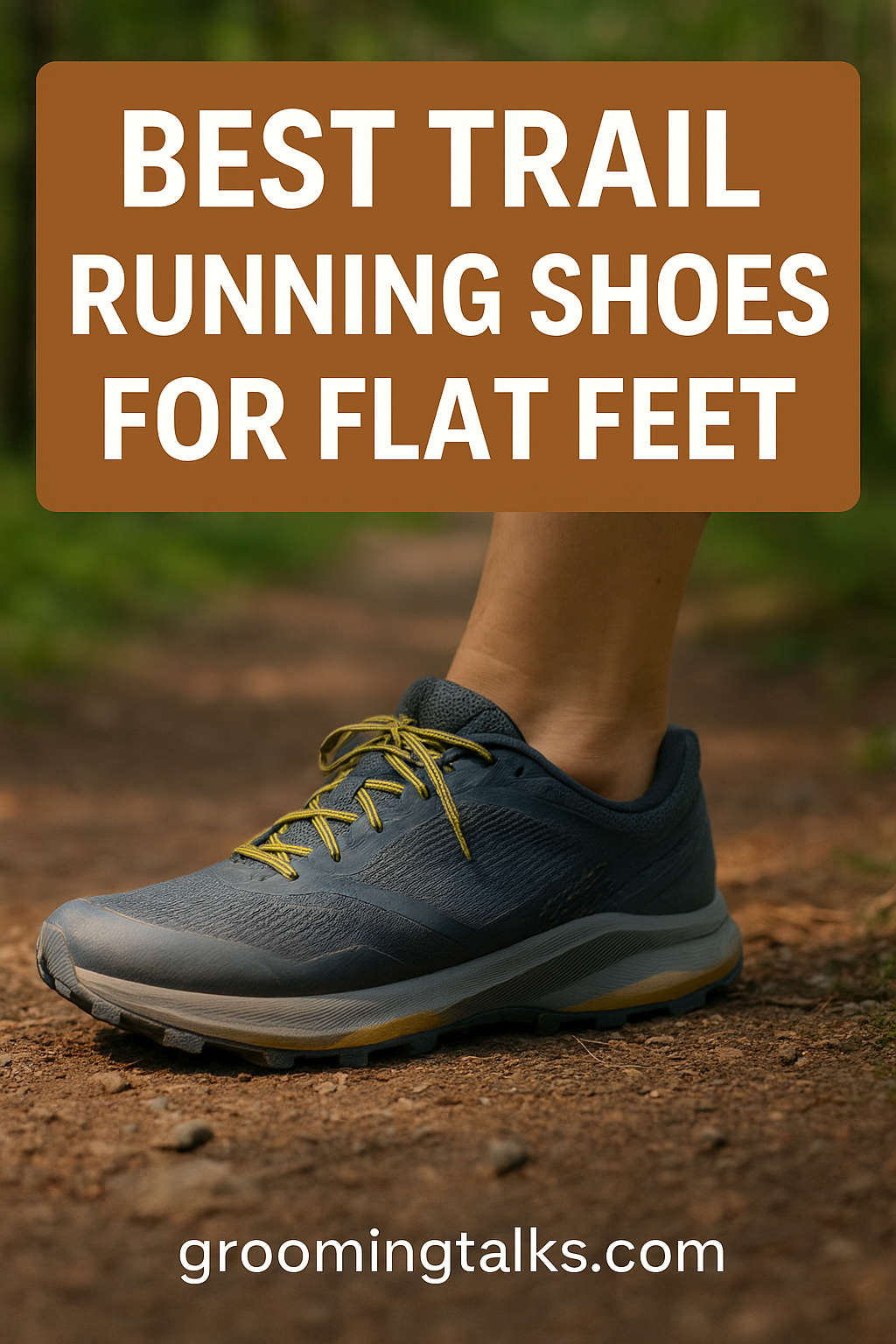
Trail running is one of the most rewarding ways to stay fit, explore nature, and challenge yourself. But if you have flat feet, it can sometimes feel like you’re at a disadvantage on the trails. Uneven ground, steep climbs, and rocky descents can put extra stress on your feet and ankles—especially if your shoes don’t give you the right kind of support.
The good news? With the right pair of trail running shoes, flat-footed runners can enjoy just as much comfort, stability, and confidence on the trails as anyone else. In fact, many brands now design shoes specifically to help runners who deal with low arches and overpronation (that inward rolling of the foot).
In this guide, I’ll walk you through everything you need to know:
- What flat feet mean for trail running
- Key features to look for in a trail shoe
- My top shoe recommendations for 2025 (organized by best use)
- Tips on sizing, orthotics, and lacing techniques
- Extra advice for flat-footed trail runners
By the end, you’ll know exactly how to choose your perfect trail partner—and you’ll feel more confident tackling any terrain.
What It Means to Have Flat Feet
Flat feet (also called fallen arches) simply means that your foot arch is lower than average, or in some cases, absent altogether. When you stand, most of your foot touches the ground rather than just the heel and ball.
For some people, this is genetic. For others, arches collapse over time due to age, injury, or repetitive strain. Flat feet aren’t necessarily “bad,” but they do change the way your body moves.
The role of pronation
The biggest factor is pronation—how your foot rolls when it lands:
- Neutral pronation: foot rolls inward slightly (about 10–15%) to absorb shock.
- Overpronation: foot rolls inward excessively, common in flat-footed runners.
- Underpronation (supination): foot rolls outward, less common with flat feet.
On trails, overpronation can cause problems. Uneven terrain can exaggerate the inward roll, leading to knee pain, ankle instability, shin splints, or plantar fasciitis. That’s why flat-footed runners need stable, supportive shoes—to keep the foot centered and aligned, even on sketchy ground.
What to Look for in Trail Running Shoes for Flat Feet
Not all trail shoes are created equal. For runners with flat feet, some features make a huge difference:
1. Stability features
Look for shoes that offer built-in stability systems, like a wide base, firm midsole foam, or medial posts. Some brands use chassis or sidewall systems to prevent excessive inward rolling.
2. Firm yet cushioned midsole
A plush midsole feels great, but if it’s too soft, it can cause the foot to collapse inward. The sweet spot is cushioned but firm enough to hold its shape. This keeps you comfortable without wobbling around on uneven terrain.
3. Heel support
A secure heel counter (the stiff part around your heel) prevents sliding and keeps your rearfoot locked in. This is essential for reducing pronation on descents.
4. Drop
Flat-footed runners often feel best with a 7–10 mm heel-to-toe drop. This helps reduce strain on the Achilles and calves while offering a bit more stability under the heel.
5. Traction and protection
Trail shoes need aggressive outsole lugs to grip dirt, rocks, and mud. A rock plate or reinforced midsole is a bonus if you run on sharp or rocky terrain.
6. Fit and volume
Flat feet usually need a bit more room in the midfoot and forefoot. Look for shoes that come in wide versions or have a naturally roomy toe box. Also, make sure the insole is removable if you plan to use custom orthotics.
The Best Trail Running Shoes for Flat Feet (2025)
Here are my top recommendations, based on stability, comfort, durability, and real-world trail performance. I’ve organized them by category so you can quickly find what fits your running style.
1. ASICS GEL-Trabuco 13
Best overall for flat feet
If you want one shoe that checks all the boxes, the ASICS GEL-Trabuco 13 is it. ASICS is known for its stability shoes in the road running world, and the Trabuco brings that expertise to the trails.
It has a supportive midsole, excellent grip, and a secure heel hold. The stability features are noticeable without being intrusive—you feel guided, not forced. It’s also lighter than older versions, making it a versatile daily trail trainer.
- Why it’s great for flat feet: reliable stability, firm cushioning, and a structured ride.
- Best for: mixed trails, moderate to technical terrain, daily training.
- Not ideal if: you prefer a super soft, bouncy ride.
2. Salomon XA Pro 3D v9
Best for rugged support and ankle stability
The XA Pro 3D is legendary among trail runners and hikers. Think of it as a SUV of trail shoes—durable, protective, and very stable.
The 3D chassis system gives it incredible torsional rigidity, meaning your foot won’t twist around when sidehilling or scrambling over rocks. The upper is also beefy and protective, which adds confidence on sketchy terrain.
- Why it’s great for flat feet: rock-solid platform and ankle support, especially helpful for overpronators.
- Best for: technical, rocky, or alpine trails; ultrarunners who prioritize durability over lightness.
- Not ideal if: you want a featherlight shoe or run mostly on smooth dirt paths.
3. La Sportiva Ultra Raptor II
Best for alpine and mountain terrain
The Ultra Raptor II is built for the mountains. La Sportiva makes shoes for climbers and alpinists, so their trail shoes lean toward rugged performance.
This model has sticky rubber, a stiff midsole, and a snug upper that hugs your foot like a climbing shoe. For flat-footed runners, this combination means excellent stability on steep, rocky, or off-camber trails. There’s also a wide version if you need more forefoot room.
- Why it’s great for flat feet: excellent arch support and midfoot security, plus stability on side slopes.
- Best for: steep, rocky, and technical mountain trails.
- Not ideal if: you prefer a flexible, natural-feeling ride.
4. Brooks Cascadia 18
Best all-rounder
The Cascadia has been around for nearly two decades, and for good reason—it’s one of the most dependable trail shoes ever made. The latest version, the Cascadia 18, keeps that tradition alive.
It offers a balanced ride, rock plate protection, and sticky traction on everything from gravel paths to mountain switchbacks. Most importantly, it has a naturally stable platform that doesn’t feel forced. For flat feet, that means comfort mile after mile.
- Why it’s great for flat feet: inherent stability and durability without feeling bulky.
- Best for: runners who want one do-it-all shoe.
- Not ideal if: you want the lightest or fastest shoe for racing.
5. Merrell Agility Peak 5
Best max-cushion with stability
If you love cushion but don’t want a wobbly ride, the Merrell Agility Peak 5 is a great choice. It’s plush, but the rock plate and stable midsole geometry keep it from feeling mushy.
The Vibram outsole gives you versatile grip, and the upper is roomy enough for wide or flat feet. Many runners find it great for long days, ultras, or recovery runs when comfort is a priority.
- Why it’s great for flat feet: cushion with control; doesn’t collapse inward.
- Best for: long training runs, ultras, or runners who value comfort above all.
- Not ideal if: you want a minimal or low-profile shoe.
6. Saucony Peregrine 14/15
Best neutral option (great with orthotics)
The Peregrine is technically a neutral trail shoe, but the latest versions add mild guidance features like sidewalls and a firmer midfoot. This makes it a great option for flat-footed runners who use orthotics or don’t need heavy-duty stability.
It’s lightweight, grippy, and responsive, making it a favorite among fast trail runners.
- Why it’s great for flat feet: works well with custom insoles, stable enough without being clunky.
- Best for: short to medium trail runs, speedwork, or races.
- Not ideal if: you need maximum motion control.
7. Hoka Stinson 7
Best comfort cruiser
The Stinson 7 is Hoka’s most cushioned trail shoe, with a huge midsole and wide base. While it doesn’t have traditional stability features, its sheer width and rockered geometry make it surprisingly stable for flat-footed runners.
This is the shoe you want for long, mellow runs or when you’re connecting road miles with trail miles.
- Why it’s great for flat feet: extra-wide base keeps you centered; plush cushion reduces fatigue.
- Best for: easy days, long mileage, gravel or rolling trails.
- Not ideal if: you run technical, rocky terrain (the height can feel tippy).
How to Pick the Right Shoe for You
Here’s a simple step-by-step process:
- Match the shoe to your terrain
- Mostly gravel or easy trails? → Merrell Agility Peak 5 or Hoka Stinson 7.
- Technical or rocky? → Salomon XA Pro 3D v9 or La Sportiva Ultra Raptor II.
- All-around mix? → Brooks Cascadia 18 or ASICS Trabuco 13.
- Racing or speedwork? → Saucony Peregrine.
- Decide on your stability needs
- Severe overpronation? Go for a dedicated stability shoe like the Trabuco or XA Pro.
- Mild pronation or neutral? A neutral-plus shoe like the Peregrine may be enough.
- Check fit with orthotics
If you use custom insoles, make sure the shoe has a removable sockliner and enough volume. - Pick your drop
Most flat-footed runners feel best at 7–10 mm. If you’ve been running lower drop shoes, transition slowly.
Sizing and Lacing Tips for Flat Feet
- Try on shoes late in the day (your feet swell).
- Leave about a thumb’s width in front of your toes.
- If you use orthotics, consider going up half a size.
- Use the runner’s loop lacing technique (using the extra eyelets) to keep your heel locked in.
- For wide feet, try skipping the middle eyelets to reduce midfoot pressure.
Orthotics: Do You Need Them?
Not everyone with flat feet needs orthotics. Some runners do perfectly fine with a stable shoe alone. But if you’re experiencing pain in your arches, knees, or shins, custom insoles or over-the-counter arch supports can make a big difference.
If you’re unsure, a visit to a podiatrist or a gait analysis at a specialty running store is a great investment.
How Long Do Trail Shoes Last?
Most trail running shoes last 300–500 miles, depending on terrain and body weight. For flat-footed runners, the midsole may wear unevenly, especially on the inside edge. Signs it’s time to replace your shoes:
- The outsole lugs are worn flat.
- The midsole feels squishy or collapsed on one side.
- You notice more aches or instability than usual.
Quick Recommendations by Runner Type
- Daily trainer for flat feet: ASICS Trabuco 13
- Technical mountain runs: La Sportiva Ultra Raptor II
- Durable and protective: Salomon XA Pro 3D v9
- All-purpose shoe: Brooks Cascadia 18
- Cushioned comfort: Merrell Agility Peak 5 or Hoka Stinson 7
- Light and fast: Saucony Peregrine
Final Thoughts
Having flat feet doesn’t mean you can’t enjoy trail running—or even excel at it. It just means you need to be a little more selective with your shoes. The right pair will give you the support, stability, and confidence to tackle anything from smooth park paths to technical alpine trails.
If you’re still unsure, my top two recommendations for most runners with flat feet would be:
- ASICS GEL-Trabuco 13 (best overall mix of stability, grip, and comfort)
- Brooks Cascadia 18 (best all-rounder with a naturally stable ride)
From there, you can add a more specialized shoe depending on your favorite terrain.
Most importantly—listen to your body. If your shoes feel unstable or painful, they’re not the right match. When you find the right pair, you’ll notice the difference instantly: smoother strides, fewer aches, and a lot more fun out on the trail.
You might also like,
- The Ultimate Sandal Buying Guide for Men in 2025 | Best Styles & Tips
- 15 Best Summer Shoes to Wear with Jeans in 2025 (Style + Comfort Guide)
- 10 Best Bombas Dupes in 2025: Budget-Friendly Socks That Feel Like Luxury
- Sweat-Proof Travel Socks: The Ultimate Comfort Essential for Every Traveler
- Best No-Show Socks for Women in 2025 | Invisible, Slip-Free & Comfortable Picks