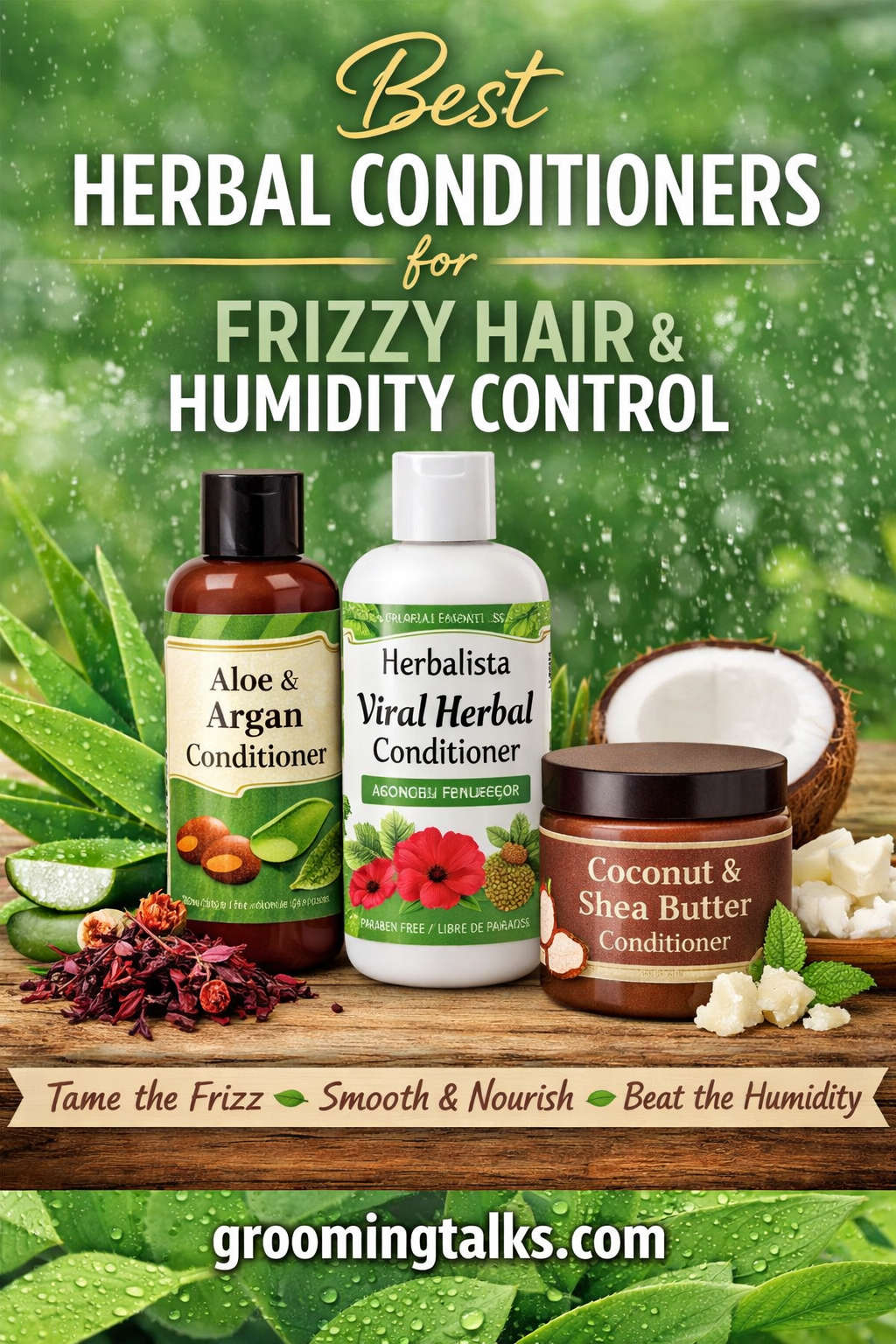
Frizzy hair can feel like an ongoing battle—especially when humidity enters the picture. One day your hair looks smooth and manageable, and the next it feels dry, puffy, and completely out of control. For many people, the root of the problem isn’t just the weather; it’s the hair care products they’re using.
Conventional conditioners often rely on heavy silicones and synthetic coatings that provide short-term smoothness but do little to improve hair health over time. In contrast, herbal conditioners work with your hair’s natural structure, nourishing it from the inside while creating balanced protection against moisture in the air.
This in-depth guide explores the best herbal conditioners for frizzy hair and humidity control, explains how they work, and helps you choose the right option for your hair type and lifestyle. Whether you live in a tropical climate, struggle with seasonal frizz, or simply want healthier hair, this article is designed to give you practical, long-term solutions.
Understanding Why Hair Becomes Frizzy
Before choosing the right conditioner, it’s important to understand why frizz happens in the first place.
Hair strands are covered with tiny overlapping layers called cuticles. When these cuticles lie flat, hair looks smooth, shiny, and defined. When they lift or become rough, moisture enters and exits the hair unevenly, causing strands to swell and separate. This is what we see as frizz.
Several factors contribute to this process:
Moisture Imbalance
Frizz is often a sign that hair is dehydrated internally. When hair lacks moisture, it tries to pull water from the surrounding environment. In humid weather, this leads to excessive swelling and loss of shape.
Damage and Porosity
Heat styling, chemical treatments, excessive washing, and harsh shampoos damage the cuticle. Highly porous hair absorbs moisture quickly but cannot retain it, making it especially vulnerable to humidity.
Lack of Natural Oils
Sebum, the scalp’s natural oil, helps seal moisture into the hair shaft. Curly, wavy, and coarse hair types often struggle to distribute these oils evenly, leading to dryness and frizz.
Environmental Stress
Sun exposure, pollution, and wind weaken hair fibers over time, making them more reactive to humidity.
How Humidity Impacts Hair Structure
Humidity introduces excess water vapor into the air. When hair encounters this moisture, hydrogen bonds within the hair shaft temporarily break and reform. This causes the hair to expand and lose its smooth alignment.
Hair that is already dry, damaged, or chemically treated is far more susceptible to this reaction. Without a protective barrier, humidity penetrates easily, lifting the cuticle and causing frizz.
The goal of a good herbal conditioner is not to block moisture completely, but to balance moisture levels and seal the cuticle so hair remains smooth even when humidity rises.
What Defines a Truly Herbal Conditioner
Not every product labeled “herbal” delivers real botanical benefits. A high-quality herbal conditioner typically includes:
- Plant-based oils and butters
- Botanical extracts and infusions
- Naturally derived humectants
- Minimal synthetic fillers
- Gentle cleansing and conditioning agents
Rather than masking damage, herbal conditioners support hair health by strengthening the cuticle, improving elasticity, and restoring moisture balance over time.
Key Herbal Ingredients That Fight Frizz and Humidity
Certain plant ingredients consistently perform well when it comes to smoothing hair and controlling humidity-related frizz.
Aloe Vera
Aloe vera hydrates hair without heaviness. It helps smooth the cuticle, improves elasticity, and balances moisture levels, making it ideal for frizz control in humid climates.
Argan Oil
Rich in fatty acids and antioxidants, argan oil softens hair, enhances shine, and creates a lightweight protective layer that resists moisture in the air.
Coconut Oil
Unlike many oils, coconut oil penetrates the hair shaft. It strengthens hair from within, reduces protein loss, and improves resistance to humidity.
Shea Butter
Shea butter deeply nourishes dry, coarse, or curly hair. It seals in moisture and provides long-lasting smoothness in high humidity.
Hibiscus
Hibiscus is rich in amino acids and natural acids that help strengthen hair and smooth rough cuticles, reducing frizz and breakage.
Fenugreek
Fenugreek seeds contain proteins and lecithin that condition hair deeply, improve softness, and enhance manageability.
Green Tea
Green tea offers antioxidant protection against environmental stress while helping maintain scalp and hair health.
Lavender
Lavender supports scalp balance and adds lightweight conditioning benefits without contributing to buildup.
Why Herbal Conditioners Perform Better in Humid Weather
Herbal conditioners are particularly effective in humid conditions because they:
- Improve internal moisture balance rather than just coating hair
- Strengthen the cuticle over time
- Provide breathable protection instead of heavy buildup
- Adapt well to different hair textures
- Support scalp health, which directly impacts hair quality
Instead of fighting humidity aggressively, herbal formulas help hair remain stable and resilient in changing environments.
Recommended Herbal Conditioners for Frizzy Hair and Humidity Control
Below is a curated list of herbal conditioners that are widely appreciated for their effectiveness, ingredient quality, and frizz-controlling performance.
Herbalista Viral Herbal Conditioner / Acondicionador
This conditioner has gained attention for its balanced herbal formulation and noticeable smoothing results. It focuses on hydration, softness, and frizz control without weighing hair down.
Why it stands out:
- Herbal extracts designed for moisture balance
- Smooths hair in humid conditions
- Improves manageability with consistent use
Best for:
Dry to normal hair, frizz-prone textures, and daily use
Aloe Vera and Argan Herbal Conditioner
A classic combination that works well for a wide range of hair types. Aloe hydrates while argan oil smooths and protects.
Best for:
Fine to medium hair needing frizz control without heaviness
Coconut and Shea Butter Herbal Conditioner
This richer formula is ideal for hair that struggles with dryness and puffiness in humid climates.
Best for:
Curly, coarse, or highly porous hair
Fenugreek and Hibiscus Strengthening Conditioner
Designed to reduce breakage while smoothing rough cuticles, this formula is excellent for damaged or chemically treated hair.
Best for:
Weak, brittle, or frizz-prone hair
Green Tea and Lavender Lightweight Conditioner
A refreshing option that controls frizz while maintaining volume and scalp comfort.
Best for:
Normal to oily hair exposed to humidity
How to Choose the Right Herbal Conditioner for Your Hair Type
Selecting the best conditioner depends on understanding your hair’s unique needs.
Fine Hair
Look for lightweight herbal formulas with aloe vera, green tea, or lavender. Avoid heavy butters that can flatten hair.
Curly or Wavy Hair
Choose conditioners rich in oils and butters like coconut, shea, and argan to lock in moisture and define curls.
Dry or Damaged Hair
Opt for deeply nourishing herbal blends with hibiscus, fenugreek, and natural oils.
Oily Scalp with Frizzy Ends
Use a balanced conditioner that hydrates lengths without over-conditioning the scalp.
How to Use Herbal Conditioner for Maximum Frizz Control
Even the best conditioner won’t deliver results if it’s not used correctly.
Step 1: Start with a Gentle Shampoo
Use a sulfate-free cleanser to avoid stripping natural oils.
Step 2: Apply Conditioner Strategically
Focus on mid-lengths and ends. Avoid applying heavily to the scalp unless the product is specifically designed for scalp care.
Step 3: Detangle Gently
Use your fingers or a wide-tooth comb while the conditioner is in your hair to distribute it evenly.
Step 4: Let It Work
Leave the conditioner on for at least three to five minutes so herbal ingredients can penetrate the hair shaft.
Step 5: Rinse with Cool or Lukewarm Water
Cool water helps seal the cuticle, enhancing smoothness and shine.
Herbal Leave-In Care for Humidity Protection
To maintain frizz control throughout the day, consider pairing your conditioner with a herbal leave-in product.
Effective options include:
- Aloe vera mist
- Lightweight argan oil serum
- Herbal hair creams with hibiscus or shea butter
- Fenugreek water spray
These products create an extra layer of protection against humidity without stiffness or buildup.
DIY Herbal Conditioner Recipes for Frizzy Hair
For those who enjoy natural hair care at home, these DIY recipes can complement store-bought products.
Aloe and Coconut Deep Conditioner
This treatment deeply hydrates hair and improves softness.
Best for:
Dry, frizz-prone hair
Hibiscus and Fenugreek Conditioning Mask
Strengthens hair and smooths cuticles naturally.
Best for:
Weak or damaged hair
Green Tea Herbal Rinse
A lightweight rinse that improves shine and humidity resistance.
Best for:
Fine or oily hair
Additional Tips to Control Frizz in Humid Weather
Conditioner is essential, but long-term frizz control requires a complete routine.
- Avoid rough towel drying; use a soft cotton shirt or microfiber towel
- Minimize heat styling
- Sleep on satin or silk pillowcases
- Trim hair regularly to prevent split ends
- Stay hydrated and maintain a balanced diet
Common Mistakes That Worsen Frizz
Many people unknowingly make choices that increase frizz:
- Over-washing hair
- Using alcohol-heavy styling products
- Skipping conditioner
- Brushing dry, curly hair
- Applying too much product at once
Correcting these habits can dramatically improve hair texture.
Frequently Asked Questions
Are herbal conditioners effective in extreme humidity?
Yes, when used consistently, herbal conditioners strengthen the hair cuticle and improve moisture balance, making hair more resistant to humidity.
Can herbal conditioners replace silicone-based products?
For many people, yes. Herbal conditioners offer long-term improvement rather than temporary coating.
How long does it take to see results?
Most users notice improved softness and reduced frizz within two to four weeks of regular use.
Final Thoughts
Frizzy hair doesn’t have to be a permanent struggle, even in humid climates. By choosing a well-formulated herbal conditioner and using it correctly, you can restore balance, smoothness, and resilience to your hair.
Products like Herbalista Viral Herbal Conditioner / Acondicionador and other botanical-rich formulas demonstrate that nature-based hair care can deliver powerful, visible results without harsh chemicals.
Consistency is key. With patience and the right herbal ingredients, frizz becomes manageable, hair becomes healthier, and humidity loses its power over your style.