Fragrance has the power to trigger emotions, unlock memories, and express personality in ways that words often can’t. Some perfume ingredients make an immediate statement—like the zesty punch of citrus or the intensity of oud. Others work more subtly, weaving through a fragrance like hidden threads, adding warmth, depth, and intrigue.
Tonka bean is one of those quiet powerhouses. You may have worn it without realizing, or caught its trail in a favorite perfume and wondered, what is that cozy, almondy sweetness that lingers? That’s tonka doing its magic.
In this guide, we’ll explore what tonka smells like, why perfumers adore it, how it compares to vanilla, and where you can find it in iconic fragrances. Whether you’re a fragrance enthusiast, a beginner building a scent wardrobe, or just curious about what makes perfumes smell the way they do, this article will take you deep into the world of tonka.
What Exactly Is Tonka Bean?
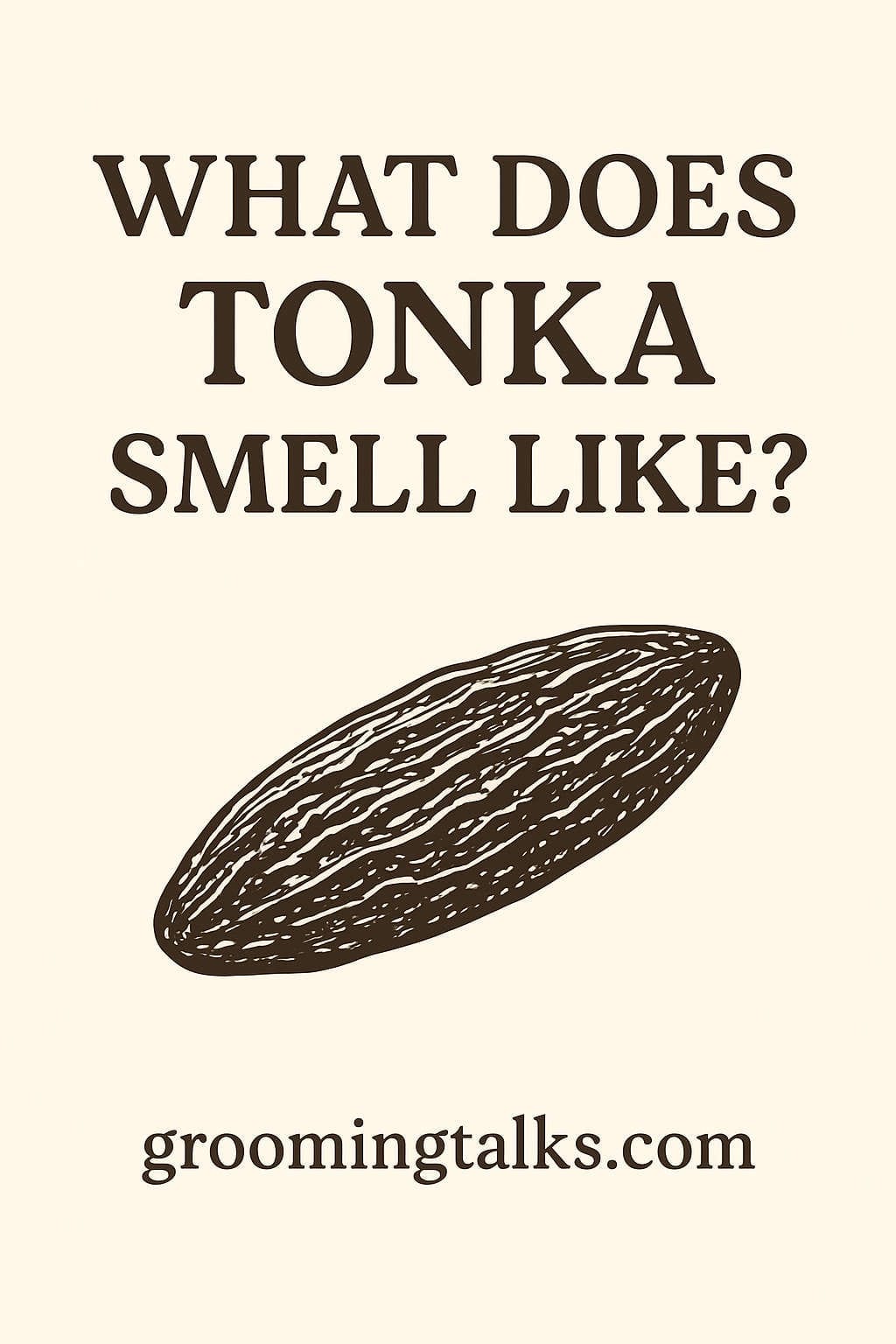
The tonka bean comes from the Dipteryx odorata tree, native to South America—especially Venezuela, Brazil, and Guyana. The tree produces elongated, wrinkled black seeds that look like dried dates. These are the tonka beans used in perfumery and, in some regions, cuisine.
The beans are dried and cured after harvesting, during which they develop their trademark aroma. Inside each bean lies a high concentration of coumarin, a naturally occurring chemical compound responsible for tonka’s sweet, hay-like, almondy scent.
Historically, tonka beans were treasured not just for their fragrance but also for their supposed magical properties. In South America, people carried them as charms for luck, prosperity, or love. Over time, their scent found its way into tobacco blends, desserts, and eventually into the world of fine perfumery.
What Does Tonka Smell Like?
Describing a smell is like describing a color—it’s subjective, layered, and depends on context. But tonka’s scent profile has some distinct and universally agreed qualities:
- Sweet, but not sugary – Think of the creaminess of vanilla, but less sticky and more refined.
- Almond-like – Thanks to coumarin, tonka has a marzipan or cherry-pit vibe that adds a nutty nuance.
- Powdery – It often dries down with a soft, powdery texture, similar to iris or heliotrope, giving fragrances a velvety finish.
- Warm and spicy – Subtle undertones of cinnamon, clove, or nutmeg appear, though gentler and rounder than true spices.
- Tobacco-like richness – When paired with tobacco notes, tonka emphasizes that sweet, hay-like character found in pipe smoke.
- Caramel and hay facets – It can even smell a little like dried grass blended with caramelized sugar.
In short: tonka smells like a blend of vanilla, almond, spice, and sweet hay, wrapped in a comforting warmth.
Tonka’s Chemistry: Why It Smells the Way It Does
The key player in tonka’s scent is coumarin, first isolated from tonka beans in 1820. Coumarin is sweet, hay-like, and faintly nutty—it’s the backbone of tonka’s aroma. In fact, coumarin was one of the first synthetic fragrance molecules ever created, and it changed perfumery forever by proving that lab-made notes could rival natural ones.
But tonka beans aren’t just coumarin. They also contain:
- Vanillin – The molecule behind vanilla’s creamy sweetness.
- Cinnamic acid derivatives – Which lend a warm, spiced character.
- Lactones – Providing subtle milky, coconut-like undertones.
- Essential oils and resins – Adding depth and balsamic warmth.
This cocktail of molecules makes tonka more multifaceted than plain vanilla or almond extract.
A Short History of Tonka in Perfumery
Tonka’s role in modern perfumery began with Houbigant’s Fougère Royale (1882)—the first fragrance to use synthetic coumarin. This launch essentially created the fougère family, a style of fragrance built on lavender, oakmoss, and tonka/coumarin. Fougères remain one of the most popular masculine fragrance families to this day.
Since then, tonka has become a staple across fragrance styles:
- In orientals/amber fragrances, it enriches warmth and sensuality.
- In gourmands, it adds an edible, cozy sweetness.
- In woody scents, it smooths sharp edges.
- In tobacco blends, it amplifies richness.
From niche houses to designer brands, tonka has never gone out of style—it simply shifts shape to match the times.
How Tonka Smells in Different Types of Perfume
Tonka is a chameleon. Depending on what it’s paired with, it can lean gourmand, smoky, or even fresh. Here’s how it plays in different fragrance categories:
1. Gourmand Perfumes
In gourmands, tonka enhances dessert-like notes. It blends with vanilla, caramel, and chocolate to create a comforting sweetness that’s never too cloying. Think of it as the almond dusting on top of a pastry.
2. Oriental/Ambery Perfumes
Tonka brings velvety softness to resins, amber, and spices. It smooths the edges of incense and creates a sensual drydown.
3. Woody Perfumes
With cedar or sandalwood, tonka provides balance—its sweetness counters dryness, giving the woods a creamy undertone.
4. Tobacco Perfumes
Tonka is the perfect partner for tobacco. The combination evokes pipe smoke in a wood-paneled library, sweetened with honeyed hay.
5. Fresh or Aromatic Perfumes
In fougères, tonka balances sharp lavender and herbs, introducing warmth without overwhelming freshness.
Tonka vs. Vanilla: How Are They Different?
Tonka and vanilla are often mentioned together, but they aren’t the same.
- Vanilla is instantly sweet, creamy, and custard-like. It’s direct, linear, and universally recognizable.
- Tonka is more layered—vanilla-like but drier, with almond, spice, and tobacco nuances.
Imagine:
- Vanilla = rich vanilla ice cream
- Tonka = almond-dusted crème brûlée with a hint of spiced pipe tobacco
Both are delicious, but tonka feels more complex and sophisticated.
Famous Perfumes Featuring Tonka
Tonka shows up in countless perfumes, but here are some standout examples across styles:
- Guerlain Tonka Impériale – A true ode to tonka, pairing it with almond, tobacco, and honey.
- Tom Ford Tobacco Vanille – Tonka helps bridge the rich tobacco with creamy vanilla.
- Dior Homme Intense – Iris and tonka create a powdery, elegant masculine signature.
- Jean Paul Gaultier Le Male – A fougère classic where tonka balances lavender and vanilla.
- Maison Margiela By the Fireplace – Tonka lends cozy sweetness to smoky woods and roasted chestnut.
- Prada Luna Rossa Black – Uses tonka to soften musk and amber for a warm, sensual edge.
If you’ve ever loved the drydown of a fragrance that felt creamy, nutty, and warm—you’ve probably loved tonka.
Why Do People Love Tonka So Much?
Tonka resonates for both emotional and olfactory reasons:
- It feels comforting – Reminiscent of baked goods, hot drinks, or cozy firesides.
- It feels sophisticated – Its subtle almond-spice edge keeps it from being childish or overly sweet.
- It’s versatile – Works in masculine, feminine, and unisex fragrances.
- It has nostalgia power – For many, it recalls old libraries, pipe tobacco, or holiday desserts.
This combination of comfort + elegance makes tonka almost universally appealing.
How Perfumers Use Tonka
Perfumers rarely use tonka to dominate a fragrance. Instead, they use it to:
- Round off sharp edges (e.g., balancing lavender or citrus).
- Add warmth and longevity to the base notes.
- Enhance gourmand or tobacco accords.
- Create a “glow” effect in the drydown.
Think of tonka as the harmonizer in a fragrance orchestra. It doesn’t always sing the solo, but without it, the whole composition feels less complete.
The Rise of Tonka in Modern Perfumery
In recent decades, tonka has exploded in popularity thanks to the rise of gourmand and unisex perfumery. Consumers crave scents that are edible, cozy, and versatile, and tonka delivers all of that.
From niche perfumers experimenting with tonka as a centerpiece, to designer brands using it to make mainstream scents more addictive, it has become one of the most in-demand notes of the 21st century.
How to Recognize Tonka in Perfumes
If you want to train your nose, here are some tips:
- Check the base notes – Tonka usually sits in the drydown. Spray and wait 30–60 minutes.
- Look for almond or hay-like nuances – If a fragrance smells slightly nutty or powdery under its sweetness, that’s tonka.
- Test with vanilla-heavy perfumes – Compare tonka-based scents (e.g., Guerlain Tonka Impériale) with pure vanilla scents. The difference will stand out.
- Try tobacco blends – Tonka is easiest to spot when paired with tobacco—it sweetens the smokiness.
Beyond Perfume: Tonka in Food & Culture
While tonka beans are banned as food additives in the United States due to coumarin regulations, they’re still beloved in high-end gastronomy in Europe and South America. Chefs grate tonka over:
- Custards and puddings
- Ice creams
- Chocolates and truffles
- Cocktails
The result is a vanilla-almond-spice complexity that feels more grown-up than vanilla.
Culturally, tonka beans have been used as charms and amulets. In some traditions, placing a bean in your wallet was believed to attract money and good fortune.
Safety & Regulations: The Coumarin Question
Because tonka beans are rich in coumarin, ingesting them in large amounts can be toxic to the liver. This is why their use as a food additive is restricted in certain countries.
In perfumery, however, usage is regulated and safe. The International Fragrance Association (IFRA) sets strict guidelines for how much coumarin can be used in a fragrance formula. When you wear a tonka-heavy scent, the levels are well within safe limits.
Final Thoughts: Why Tonka Captivates Us
So, what does tonka smell like?
It smells like warmth made elegant—a mix of vanilla sweetness, almond nuttiness, powdery comfort, and subtle spice. It’s cozy but not cloying, gourmand but not childish, sophisticated yet universally appealing.
Tonka is the scent of:
- A velvet armchair by a fireplace.
- A marzipan-topped pastry.
- A tobacco pipe in an old library.
- A soft cashmere sweater on a cool evening.
Whether it’s in niche masterpieces or designer bestsellers, tonka continues to enchant because it balances comfort and allure better than almost any other fragrance note. Once you learn to spot it, you’ll notice it everywhere—and chances are, you’ll fall in love.