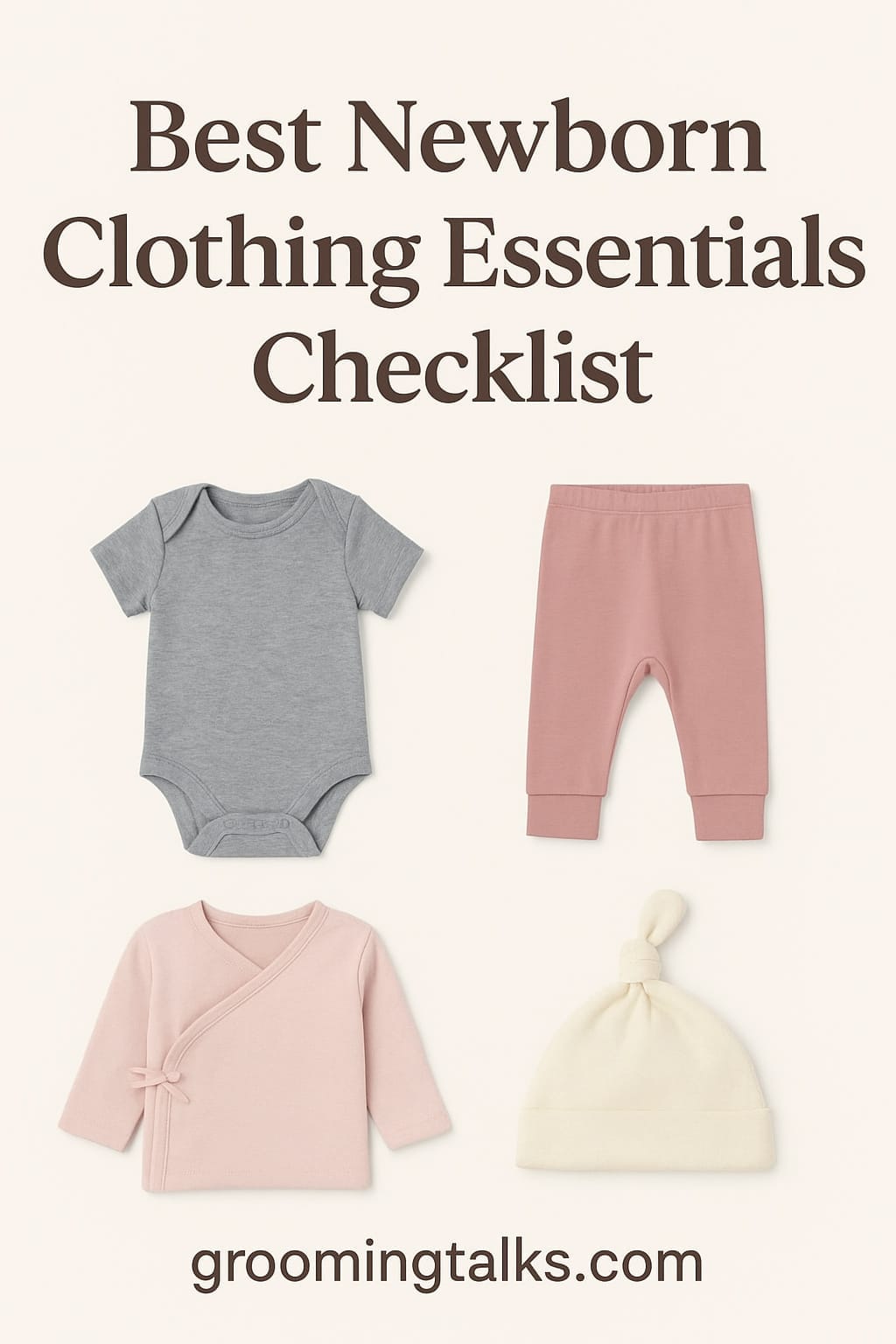
Preparing for the arrival of a newborn is magical, emotional, and yes — a little overwhelming. Between crib shopping, setting up the nursery, and reading baby care books, clothing preparation sometimes becomes confusing. With endless cute outfits on store shelves, it’s easy to buy too much of the wrong thing or miss essentials that make everyday life easier.
This new-parent-friendly guide breaks down exactly what newborn clothes you need, how many to buy, and brands worth considering, so you feel confident, prepared, and stress-free. Whether you’re building a baby registry or shopping yourself, this checklist helps you save time, energy, and money — while making sure your baby is cozy and comfortable from day one.
Why Choosing the Right Newborn Clothes Matters
Newborns spend most of their early days feeding, sleeping, and snuggling. Their skin is delicate, their bodies lose heat faster, and diaper leaks and spit-ups happen often. The clothing you choose needs to:
- Keep them warm without overheating
- Be soft and safe for sensitive skin
- Allow quick & easy diaper changes
- Wash well and dry quickly
- Feel gentle and breathable
And — let’s be honest — the right clothes help you, too. When you’re tired and learning life with a newborn, zippers over snaps, soft cotton over itchy fabric, and simple designs over complicated outfits bring real peace.
Newborn Clothing Essentials Checklist (Quick List)
| Clothing Item | Quantity | Why You Need It |
|---|---|---|
| Bodysuits / Onesies | 10–14 | Everyday wear, easy layering |
| Footed Sleepers | 8–10 | Sleep + daily wear |
| Kimono / Side-Snap Shirts | 3–5 | Perfect for umbilical cord healing |
| Pants / Leggings | 4–6 | Warmth & outfit building |
| Swaddles & Sleep Sacks | 3–6 | Safe sleep & soothing |
| Socks & Booties | 6–8 pairs | Keep feet warm |
| Mittens | 2–4 pairs | Prevent scratching |
| Hats (soft cotton) | 2–3 | Protection outdoors |
| Lightweight Jacket / Sweater | 1–2 | Extra layer for outings |
| Special Going-Home Outfit | 1–2 | For photos & special moments |
Practical tip: newborns may only wear newborn size for 2–4 weeks. Buy a mix of Newborn and 0–3 months clothing.
Detailed Newborn Clothing Essentials Breakdown
👕 1. Bodysuits / Onesies — 10 to 14
Bodysuits are the true MVPs of baby clothes. They snap at the bottom, keeping diapers in place and keeping your baby comfortably covered.
Must-have features:
- Envelope shoulders or side snaps (easy dressing)
- Stretchy & tag-free neckline
- Soft, breathable fabric (100% cotton or bamboo)
Why they’re essential:
Newborns go through multiple outfit changes a day due to drool, spit-ups, and diaper accidents. Having extras means you won’t be doing laundry nonstop.
Recommended styles:
- Short-sleeve for everyday
- Long-sleeve for cooler days
- Sleeveless for hot climates
Brands parents love:
- Carter’s Simple Joys Bodysuits
- Gerber Organic Bodysuits
- Burt’s Bees Baby Organic Onesies
- H&M Baby Conscious Collection
🌙 2. Footed Sleepers / Zip Pajamas — 8 to 10
Most newborns practically live in sleepers, especially in the first six weeks. They’re cozy, warm, and easy to change without disturbing your sleepy little one.
What to look for:
- Zippers (two-way zippers are gold!)
- Fold-over mitten cuffs
- Built-in feet (keeps toes warm)
- Soft stretch cotton or fleece depending on climate
Why they’re essential:
- Day + night comfort
- Ideal for frequent diaper changes
- Prevents cold feet and hands
Best picks:
- Carter’s Zip-Up Sleep & Play
- Kyte Baby Bamboo Zipper Sleepers
- Little Sleepies CloudSoft Pajamas
- Old Navy Zip Sleepers
👶 3. Kimono-Style Tops — 3 to 5
During the first week or two, when the umbilical cord stump is still attached, side-snap shirts are incredibly helpful.
Benefits:
- No pulling clothing over baby’s head
- Gentle on healing belly
- Easy changing, especially during those early days of messy diapers
Parents like:
Pair with soft pants or wear alone with a diaper in warm weather.
👖 4. Pants / Leggings — 4 to 6
Perfect for layering outfits and keeping your baby warm.
Look for:
- Soft elastic waist
- Stretchy materials
- Gentle fit around legs and belly
Avoid: jeans or stiff fabrics — comfort matters most
Good options:
- Carter’s Cotton Pants 4-Pack
- L’ovedbaby Organic Leggings
- H&M Baby Soft Pants
🛌 5. Swaddles & Sleep Sacks — 3 to 6
Swaddles help newborns feel secure and sleep better, mimicking the womb. And when swaddling days end, sleep sacks offer safe sleep warmth.
Types to get:
- Muslin swaddles (lightweight & versatile)
- Velcro or zipper swaddles (fail-proof swaddling)
- Sleep sacks for when baby transitions out of swaddles
Popular picks:
- Halo Sleepsack Swaddles
- SwaddleMe Wrap Swaddles
- Aden + Anais Muslin Swaddles
- Love to Dream Swaddle Up
Sleep safety reminder: skip loose blankets — choose wearable blankets instead.
🧦 6. Socks & Booties — 6 to 8 pairs
Even if your baby wears footed pajamas, you’ll want socks for outfits that don’t cover feet.
What to look for:
- Stretchy ankle cuffs
- Soft fabrics
- Stay-on design
Recommended:
🧤 7. Mittens — 2 to 4 pairs
Newborn nails are sharp, and babies instinctively touch their faces. Mittens protect their delicate skin.
Tip: Many sleepers and bodysuits now include fold-over mitten sleeves — a brilliant feature.
🧢 8. Soft Cotton Hats — 2 to 3
Babies lose heat through their heads. Hats help during outings or in cooler rooms.
Choose:
- Lightweight cotton
- Soft, stretchy fabric
- Non-tight fit
Skip hats indoors unless advised by your doctor — overheating risk is real.
🧥 9. Light Jacket or Sweater — 1 to 2
Essential for leaving the hospital, doctor visits, and stroller walks.
Important: Avoid puffy coats in car seats — they compromise harness safety. Layer instead.
Recommended picks:
🎀 10. Special Going-Home / Photo Outfit — 1 to 2
First memories matter. Choose something cozy, cute, and simple.
Ideas:
- Soft romper set
- Knit outfit with matching hat
- Swaddle + hat photo set
Avoid stiff fabrics or complicated outfits — your baby should feel comfortable.
Optional But Helpful Clothing Extras
These aren’t must-haves, but many parents highly recommend them:
| Item | Why It’s Useful |
|---|---|
| Rompers | Cute & easy one-piece outfits |
| Sleep Gowns | Easiest nighttime diaper changes |
| Bandana Bibs | Saves clothes from drool & spit-ups |
| Soft Shoes | Only for photos, not walking |
| Sun Hat | Outdoor stroller walks |
Fabric Guide for Newborn Clothes
Newborn skin is ultra-delicate, so fabric choice matters.
Best fabrics:
- Organic cotton
- Bamboo viscose
- Muslin
- Soft ribbed cotton blends
Avoid:
- Polyester blends that trap heat
- Wool or scratchy knits
- Rough seams and hard tags
- Sequins, stiff collars, bulky bows
How to Choose the Right Sizes
| Size | Avg Baby Weight | When to Use |
|---|---|---|
| Newborn | Up to 8 lbs (3.6 kg) | First 2–4 weeks |
| 0–3 Months | 8–12 lbs (3.6–5.5 kg) | First 2–3 months |
Buy more 0–3 month outfits than newborn — babies grow fast!
Tip: wash and prep only a few newborn pieces before birth in case your baby is born bigger.
Laundry and Clothing Care Tips
Babies wear a lot of clothes — smart laundering helps.
- Wash clothing before first wear
- Use fragrance-free baby detergent
- Avoid fabric softeners (can irritate skin)
- Wash on warm, gentle cycle
- Use laundry bags for socks & mittens
- Air-dry delicate fabrics when possible
Pro tip: keep a small basket near the changing station for soiled baby clothes — life-saver during sleepy night changes.
Season-Specific Clothing Tips
Warm Weather Babies
- Short-sleeve bodysuits
- Light cotton swaddles
- Thin hat for sun outings (no direct sun)
- No heavy layers
Cold Weather Babies
- Long-sleeve layers
- Fleece sleepers
- Warm knit hat + mittens
- Blanket over stroller (never loose in crib)
Rule of thumb: Dress baby in one extra layer than you wear.
Realistic Hospital Bag Baby Clothing Checklist
Pack these and you’re set:
- 2–3 side-snap shirts or onesies
- 2 sleepers
- Soft hat & socks
- Muslin swaddle
- Going-home outfit
- Blanket for car seat (placed over harness)
Common Baby Clothing Mistakes to Avoid
| Mistake | What Happens |
|---|---|
| Buying too many newborn outfits | Baby outgrows them fast |
| Too many fancy clothes | Uncomfortable + rarely used |
| Snaps instead of zippers | Slow diaper changes, especially at night |
| Buying shoes early | Not needed & uncomfortable |
| Using loose blankets | Unsafe sleep environment |
Budget Tips — Getting Baby Clothes Smartly
Babies grow fast — spending wisely matters.
Ways to save:
- Buy multi-pack basics
- Neutral colors for future siblings
- Mix thrift finds with new essentials
- Choose quality sleeper packs over outfits
- Accept hand-me-downs
Where to find good deals:
- Carter’s multipacks
- H&M Baby organic basics
- Target Cloud Island
- Secondhand baby consignment shops
Quality basics > too many trendy outfits.
Final Thoughts: Build a Calm, Practical Baby Wardrobe
The best newborn wardrobe is cozy, simple, and practical. With a thoughtful selection of soft onesies, sleepers, swaddles, and essentials, you’ll be ready for those precious first weeks with your little one.
Remember — the goal isn’t perfection. It’s comfort, love, and simplicity. Keep your baby dressed in breathable layers, choose soft fabrics, and focus on ease and functionality. You’ll thank yourself during sleepy 3 AM diaper changes!
Enjoy the snuggles, tiny outfits, and unforgettable first moments. This season goes by fast — and you’re already doing a wonderful job preparing for your baby.